

Let’s be honest—building a business strategy can often feel like you’re taking shots in the dark, hoping something will work. If you’re finding that your strategies are consistently missing the mark, you’re not alone. The reality is, there are critical factors that cause some strategies to fail while others succeed. Once you understand these common missteps, you can refine your approach and start achieving the outcomes you’re aiming for.
1. Lack of Focus on Your Audience
You can have the best product or service in the world, but if it doesn’t connect with the right people, you’ll miss the mark every time. Many strategies fail because they don’t start with a clear understanding of their audience. Casting too wide a net means you’re talking to no one in particular.
Solution: Hone in on your target audience by defining your ideal customer. Start by building a detailed customer persona—who are they? What challenges are they facing, and how does your product or service solve their problem? Once you have clarity, align your marketing messages directly to that persona. Personalization is no longer a luxury; it’s a necessity for success.
2. No Measurable Goals
How often do we set goals that sound great on paper but offer no way to track success? Goals like “grow our business” or “get more customers” are too vague. Without clear, measurable objectives, you won’t know if your strategy is on the right track.
Solution: Turn vague goals into SMART goals (Specific, Measurable, Achievable, Relevant, Time-bound). Instead of “get more customers,” aim for something like “increase email subscribers by 20% in the next 3 months.” This way, you can measure progress and adjust your strategy if needed. The clarity that comes from setting measurable goals is invaluable.
3. Spreading Yourself Too Thin
A classic mistake, especially for new businesses, is trying to be everywhere at once. This leads to diluted efforts and missed opportunities. Whether you’re managing multiple marketing channels, trying to juggle products, or wearing too many hats, attempting to do it all can be your downfall.
Solution: Prioritize. What is your strongest growth channel? Where do you see the most customer engagement? Focus on mastering a few areas before expanding. If you’re overwhelmed with social media, for example, use our 200 Social Media Templates to keep your content consistent without the hassle. The more you streamline, the better your results.
4. Not Letting Data Drive Decisions
Relying on gut feelings might have worked once, but in today’s data-driven world, it’s a recipe for failure. If you’re not using the wealth of data available to you, you’re essentially flying blind. From website analytics to customer behavior, the insights you gather are critical to adjusting and improving your strategy.
Solution: Dive into the numbers. Use free tools like Google Analytics to track important metrics—whether it’s traffic sources, time spent on your site, or conversion rates. Continuously analyze the data to understand what’s working and where improvements are needed. Keep tweaking until you find a formula that sticks.
5. Failure to Adapt
The business landscape is constantly evolving, and so should your strategies. The market can change in the blink of an eye, and if you aren’t willing to pivot when necessary, your business will stagnate. We’ve all seen companies stick to a failing strategy, hoping it will eventually work, only to watch competitors pull ahead.
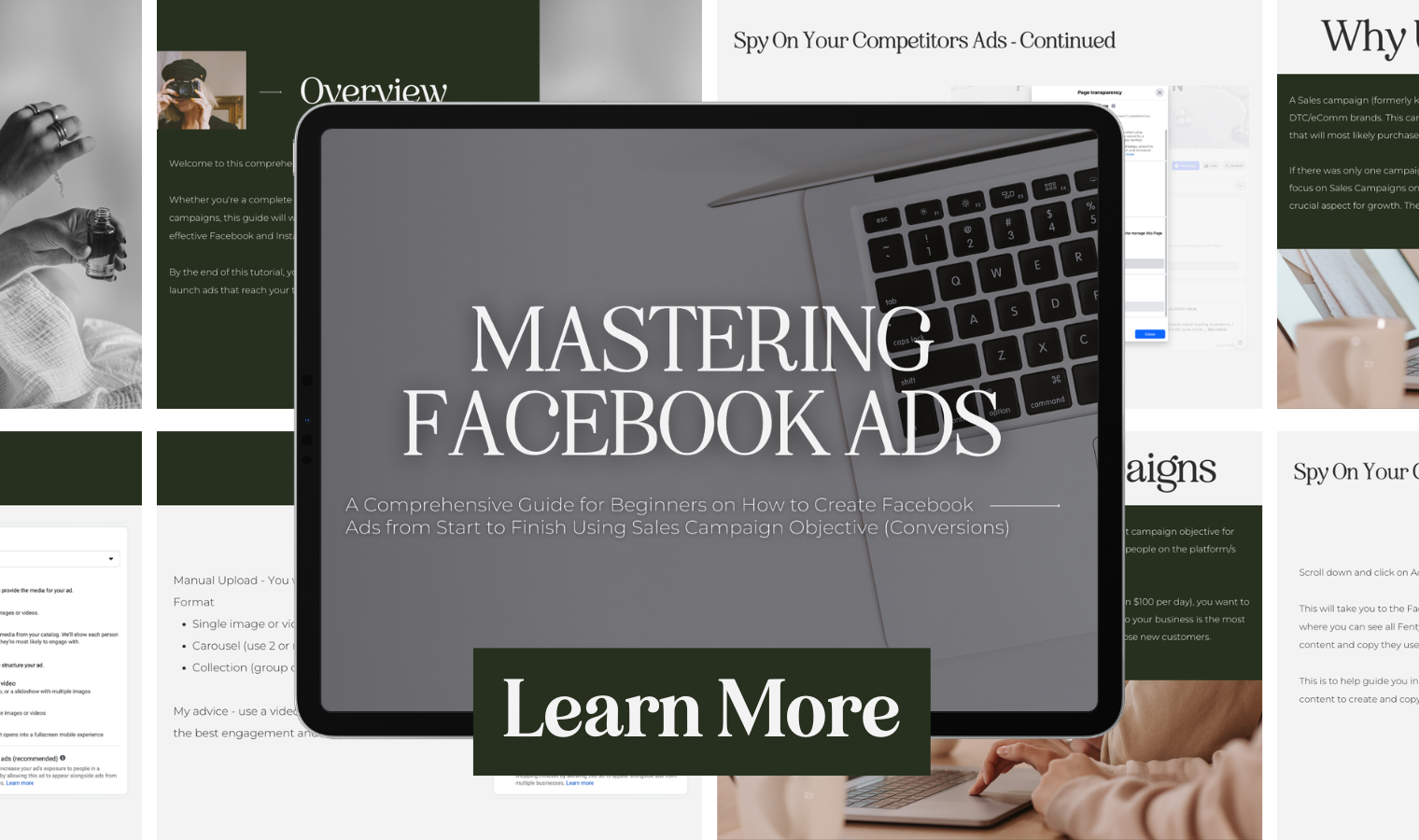
Solution: Stay flexible and agile. Regularly evaluate your strategy and be open to adjusting when needed. This doesn’t mean you should constantly change direction, but recognize when something isn’t working and be willing to try something new. If you find your social media ads aren’t performing, maybe it’s time to optimize them using our Facebook Ads Guide.
How to Make Your Strategy Succeed
Now that we’ve covered the common mistakes, let’s focus on the core pillars that make a strategy successful.
- Consistency is Key
Showing up regularly—whether it’s through email marketing, social media, or paid ads—is essential. Consistency builds trust with your audience and keeps your brand top of mind. Imagine creating consistent, eye-catching content without spending hours—our 200 Social Media Templates can help you stay on track effortlessly. - Customer-Centric Approach
Put your customer at the center of everything. Make sure your marketing, product development, and customer service are aligned to meet their needs. Remember, a happy customer is your best advocate. - Leverage Automation
Let technology do the heavy lifting for you. Tools like automated email campaigns, social media schedulers, and CRM systems can free up your time while maintaining consistent engagement. Explore how automation can transform your business operations. - Focus on What’s Working
Sometimes, it’s tempting to jump on every new trend. But success often comes from doubling down on what’s already bringing results. Identify your best-performing strategies and scale them. Use A/B testing and data to refine your approach constantly.
Closing Thought: Success Isn’t About Perfection
Building a strategy that works isn’t about getting it perfect on the first try—it’s about learning from mistakes, pivoting, and staying consistent with your efforts. The biggest mistake you can make is to stay stagnant, clinging to a strategy that doesn’t move the needle.
Ready to create a strategy that drives real results? Check out our blog for more in-depth insights and practical tools to elevate your business.
Let’s be honest—building a business strategy can often feel like you’re taking shots in the dark, hoping something will work. If you’re finding that your strategies are consistently missing the mark, you’re not alone. The reality is, there are critical factors that cause some strategies to fail while others succeed. Once you understand these common missteps, you can refine your approach and start achieving the outcomes you’re aiming for.
1. Lack of Focus on Your Audience
You can have the best product or service in the world, but if it doesn’t connect with the right people, you’ll miss the mark every time. Many strategies fail because they don’t start with a clear understanding of their audience. Casting too wide a net means you’re talking to no one in particular.
Solution: Hone in on your target audience by defining your ideal customer. Start by building a detailed customer persona—who are they? What challenges are they facing, and how does your product or service solve their problem? Once you have clarity, align your marketing messages directly to that persona. Personalization is no longer a luxury; it’s a necessity for success.
2. No Measurable Goals
How often do we set goals that sound great on paper but offer no way to track success? Goals like “grow our business” or “get more customers” are too vague. Without clear, measurable objectives, you won’t know if your strategy is on the right track.
Solution: Turn vague goals into SMART goals (Specific, Measurable, Achievable, Relevant, Time-bound). Instead of “get more customers,” aim for something like “increase email subscribers by 20% in the next 3 months.” This way, you can measure progress and adjust your strategy if needed. The clarity that comes from setting measurable goals is invaluable.
3. Spreading Yourself Too Thin
A classic mistake, especially for new businesses, is trying to be everywhere at once. This leads to diluted efforts and missed opportunities. Whether you’re managing multiple marketing channels, trying to juggle products, or wearing too many hats, attempting to do it all can be your downfall.
Solution: Prioritize. What is your strongest growth channel? Where do you see the most customer engagement? Focus on mastering a few areas before expanding. If you’re overwhelmed with social media, for example, use our 200 Social Media Templates to keep your content consistent without the hassle. The more you streamline, the better your results.
4. Not Letting Data Drive Decisions
Relying on gut feelings might have worked once, but in today’s data-driven world, it’s a recipe for failure. If you’re not using the wealth of data available to you, you’re essentially flying blind. From website analytics to customer behavior, the insights you gather are critical to adjusting and improving your strategy.
Solution: Dive into the numbers. Use free tools like Google Analytics to track important metrics—whether it’s traffic sources, time spent on your site, or conversion rates. Continuously analyze the data to understand what’s working and where improvements are needed. Keep tweaking until you find a formula that sticks.
5. Failure to Adapt
The business landscape is constantly evolving, and so should your strategies. The market can change in the blink of an eye, and if you aren’t willing to pivot when necessary, your business will stagnate. We’ve all seen companies stick to a failing strategy, hoping it will eventually work, only to watch competitors pull ahead.
Solution: Stay flexible and agile. Regularly evaluate your strategy and be open to adjusting when needed. This doesn’t mean you should constantly change direction, but recognize when something isn’t working and be willing to try something new. If you find your social media ads aren’t performing, maybe it’s time to optimize them using our Facebook Ads Guide.
How to Make Your Strategy Succeed
Now that we’ve covered the common mistakes, let’s focus on the core pillars that make a strategy successful.
- Consistency is Key
Showing up regularly—whether it’s through email marketing, social media, or paid ads—is essential. Consistency builds trust with your audience and keeps your brand top of mind. Imagine creating consistent, eye-catching content without spending hours—our 200 Social Media Templates can help you stay on track effortlessly. - Customer-Centric Approach
Put your customer at the center of everything. Make sure your marketing, product development, and customer service are aligned to meet their needs. Remember, a happy customer is your best advocate. - Leverage Automation
Let technology do the heavy lifting for you. Tools like automated email campaigns, social media schedulers, and CRM systems can free up your time while maintaining consistent engagement. Explore how automation can transform your business operations. - Focus on What’s Working
Sometimes, it’s tempting to jump on every new trend. But success often comes from doubling down on what’s already bringing results. Identify your best-performing strategies and scale them. Use A/B testing and data to refine your approach constantly.
Closing Thought: Success Isn’t About Perfection
Building a strategy that works isn’t about getting it perfect on the first try—it’s about learning from mistakes, pivoting, and staying consistent with your efforts. The biggest mistake you can make is to stay stagnant, clinging to a strategy that doesn’t move the needle.
Ready to create a strategy that drives real results? Check out our blog for more in-depth insights and practical tools to elevate your business.