
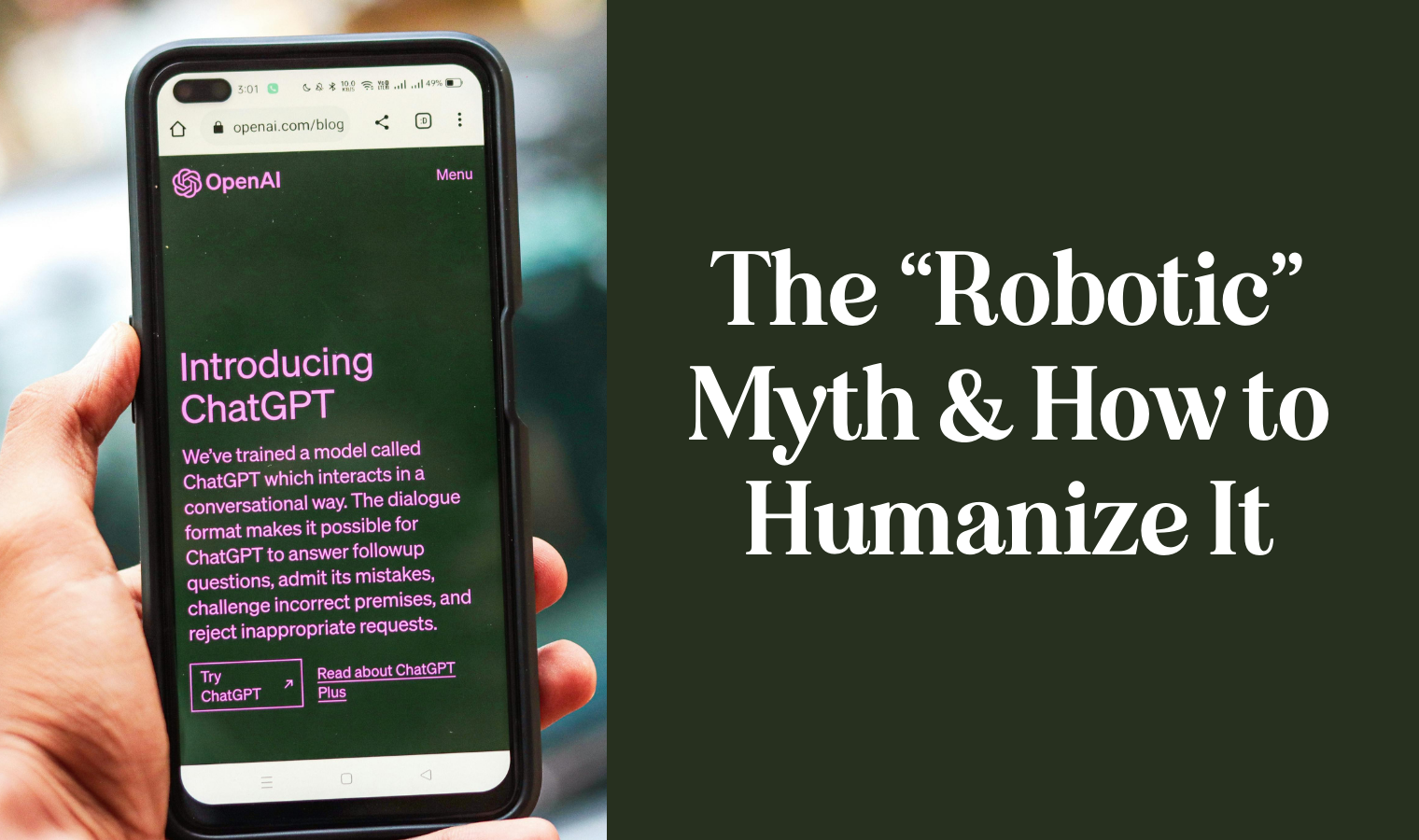
Let’s talk about something that’s got a lot of business owners feeling a little uneasy: marketing automation and AI. The fear? That it’s impersonal. That your brand will start sounding like a cold, emotionless robot instead of a real, relatable business. That your customers will feel like they’re just another data point in a system instead of a valued human being.
I get it. I really do.
We’ve all received those cringe-worthy automated messages that miss the mark completely—calling you by the wrong name, pushing products you don’t care about, or worst of all, making you feel like just another faceless consumer. No one wants to do that to their customers.
But here’s the real question: Is marketing automation inherently impersonal? Or are we just using it wrong?
The Real Issue: Bad Automation vs. Smart Automation
AI and automation can feel robotic—when they’re done badly. If you set up a generic email sequence with zero personalization, of course it’s going to feel detached. If you use chatbots without considering customer experience, sure, they might annoy people instead of helping them.
But guess what? That’s not an AI problem. That’s a strategy problem.
Think about this: Are you using AI as a shortcut, or as a tool to enhance the human touch?

Because AI isn’t the enemy of personalization—it’s actually the key to more personalization. The real issue isn’t automation itself. It’s lazy, thoughtless automation that gives automation a bad name.
The Impact of Fear: Sticking to Manual Processes = Missed Opportunities
I’ve seen business owners get so scared of automation that they refuse to use it altogether. And what happens?
- Inconsistent customer experience – One customer gets a great interaction when a real person responds, but another is left waiting for hours because you were tied up in meetings.
- Inefficient processes – You’re drowning in tasks that AI could handle for you, like sending follow-ups, answering FAQs, or segmenting audiences.
- Missed sales opportunities – You forget to follow up with leads, your email list sits unused, and you’re leaving money on the table.
Meanwhile, businesses that embrace AI—but do it right—are creating hyper-personalized experiences at scale. And that is the sweet spot.
How to Make AI Feel More Human
So, how do we make sure AI enhances customer relationships instead of damaging them? Here’s where the magic happens:
1. Let AI Handle the Repetitive Stuff—So You Can Focus on the Human Stuff
AI is best at predictable tasks—sorting emails, scheduling follow-ups, tracking customer behavior. That doesn’t mean you hand over all communication to the machines. It means you free yourself up for actual human connection.
Let automation remind you to check in with customers, but make sure it’s you who writes a real response when needed. Use AI to filter support tickets, but keep a human available for anything more complex.
2. Use AI to Get to Know Your Customers Better
One of the biggest myths about AI is that it treats people like numbers. In reality, AI can help you understand your customers on a much deeper level.
With AI-driven data, you can:
-
- See which customers engage with your emails (and which ones ghost you).
- Track purchase behavior to send relevant recommendations.
- Identify when a customer might need help—before they even ask.
When used correctly, AI actually improves personalization. Instead of blasting the same message to 10,000 people, you can send the right message to the right person at the right time.
3. Write Like a Human (Even in Automated Messages!)
Automation doesn’t mean sounding robotic. Here’s a tip: If your AI-driven emails or chatbot messages sound like they were written by a machine, that’s not AI’s fault—that’s your fault.

Craft your automated messages the way you would talk to a friend. Here’s an example:
🚫 Bad automation:
“Hello [First Name], we noticed you visited our site. Click here to purchase now.”
✅ Better automation:
“Hey [First Name], saw you checking out [Product]. Need any help deciding? Let me know—I’m happy to help!”
Same automation. Completely different vibe.
4. Give Customers the Option to Talk to a Real Person
Automation is great. But forced automation? That’s a nightmare.
No one wants to be stuck in an endless chatbot loop with no way to talk to a human. So, always give customers an out. Whether it’s a “Talk to a real person” button or a quick email response option, make sure your AI-powered interactions don’t feel like a trap.
5. Keep Experimenting & Improving
AI and automation are only as good as the strategy behind them. So test, tweak, and refine.
-
- Are customers responding to your AI-powered emails?
- Is your chatbot actually solving problems, or frustrating people?
- Do your automated follow-ups feel natural or forced?
The beauty of AI is that it learns. But it’s up to you to guide it in the right direction.
The Big Takeaway: AI Isn’t the Problem—Lazy Marketing Is
Marketing automation isn’t impersonal. It’s only impersonal when we treat it that way.
If you ignore strategy and throw automation in as a shortcut, it will feel robotic. But if you use AI as a tool to enhance your relationships with customers, you’ll create a better experience—not a worse one.
Let’s flip the script. Instead of fearing AI, let’s talk about how to use it in a way that feels authentic.
Now, I want to hear from you.
Have you ever received a horribly impersonal AI-generated message? Or do you have an example of automation done right? Let’s discuss! Drop your thoughts in the comments.
Let’s talk about something that’s got a lot of business owners feeling a little uneasy: marketing automation and AI. The fear? That it’s impersonal. That your brand will start sounding like a cold, emotionless robot instead of a real, relatable business. That your customers will feel like they’re just another data point in a system instead of a valued human being.
I get it. I really do.
We’ve all received those cringe-worthy automated messages that miss the mark completely—calling you by the wrong name, pushing products you don’t care about, or worst of all, making you feel like just another faceless consumer. No one wants to do that to their customers.
But here’s the real question: Is marketing automation inherently impersonal? Or are we just using it wrong?
The Real Issue: Bad Automation vs. Smart Automation
AI and automation can feel robotic—when they’re done badly. If you set up a generic email sequence with zero personalization, of course it’s going to feel detached. If you use chatbots without considering customer experience, sure, they might annoy people instead of helping them.
But guess what? That’s not an AI problem. That’s a strategy problem.
Think about this: Are you using AI as a shortcut, or as a tool to enhance the human touch?
Because AI isn’t the enemy of personalization—it’s actually the key to more personalization. The real issue isn’t automation itself. It’s lazy, thoughtless automation that gives automation a bad name.
The Impact of Fear: Sticking to Manual Processes = Missed Opportunities
I’ve seen business owners get so scared of automation that they refuse to use it altogether. And what happens?
- Inconsistent customer experience – One customer gets a great interaction when a real person responds, but another is left waiting for hours because you were tied up in meetings.
- Inefficient processes – You’re drowning in tasks that AI could handle for you, like sending follow-ups, answering FAQs, or segmenting audiences.
- Missed sales opportunities – You forget to follow up with leads, your email list sits unused, and you’re leaving money on the table.
Meanwhile, businesses that embrace AI—but do it right—are creating hyper-personalized experiences at scale. And that is the sweet spot.
How to Make AI Feel More Human
So, how do we make sure AI enhances customer relationships instead of damaging them? Here’s where the magic happens:
1. Let AI Handle the Repetitive Stuff—So You Can Focus on the Human Stuff
AI is best at predictable tasks—sorting emails, scheduling follow-ups, tracking customer behavior. That doesn’t mean you hand over all communication to the machines. It means you free yourself up for actual human connection.
Let automation remind you to check in with customers, but make sure it’s you who writes a real response when needed. Use AI to filter support tickets, but keep a human available for anything more complex.
2. Use AI to Get to Know Your Customers Better
One of the biggest myths about AI is that it treats people like numbers. In reality, AI can help you understand your customers on a much deeper level.
With AI-driven data, you can:
-
- See which customers engage with your emails (and which ones ghost you).
- Track purchase behavior to send relevant recommendations.
- Identify when a customer might need help—before they even ask.
When used correctly, AI actually improves personalization. Instead of blasting the same message to 10,000 people, you can send the right message to the right person at the right time.
3. Write Like a Human (Even in Automated Messages!)
Automation doesn’t mean sounding robotic. Here’s a tip: If your AI-driven emails or chatbot messages sound like they were written by a machine, that’s not AI’s fault—that’s your fault.
Craft your automated messages the way you would talk to a friend. Here’s an example:
🚫 Bad automation:
“Hello [First Name], we noticed you visited our site. Click here to purchase now.”
✅ Better automation:
“Hey [First Name], saw you checking out [Product]. Need any help deciding? Let me know—I’m happy to help!”
Same automation. Completely different vibe.
4. Give Customers the Option to Talk to a Real Person
Automation is great. But forced automation? That’s a nightmare.
No one wants to be stuck in an endless chatbot loop with no way to talk to a human. So, always give customers an out. Whether it’s a “Talk to a real person” button or a quick email response option, make sure your AI-powered interactions don’t feel like a trap.
5. Keep Experimenting & Improving
AI and automation are only as good as the strategy behind them. So test, tweak, and refine.
-
- Are customers responding to your AI-powered emails?
- Is your chatbot actually solving problems, or frustrating people?
- Do your automated follow-ups feel natural or forced?
The beauty of AI is that it learns. But it’s up to you to guide it in the right direction.
The Big Takeaway: AI Isn’t the Problem—Lazy Marketing Is
Marketing automation isn’t impersonal. It’s only impersonal when we treat it that way.
If you ignore strategy and throw automation in as a shortcut, it will feel robotic. But if you use AI as a tool to enhance your relationships with customers, you’ll create a better experience—not a worse one.
Let’s flip the script. Instead of fearing AI, let’s talk about how to use it in a way that feels authentic.
Now, I want to hear from you.
Have you ever received a horribly impersonal AI-generated message? Or do you have an example of automation done right? Let’s discuss! Drop your thoughts in the comments.